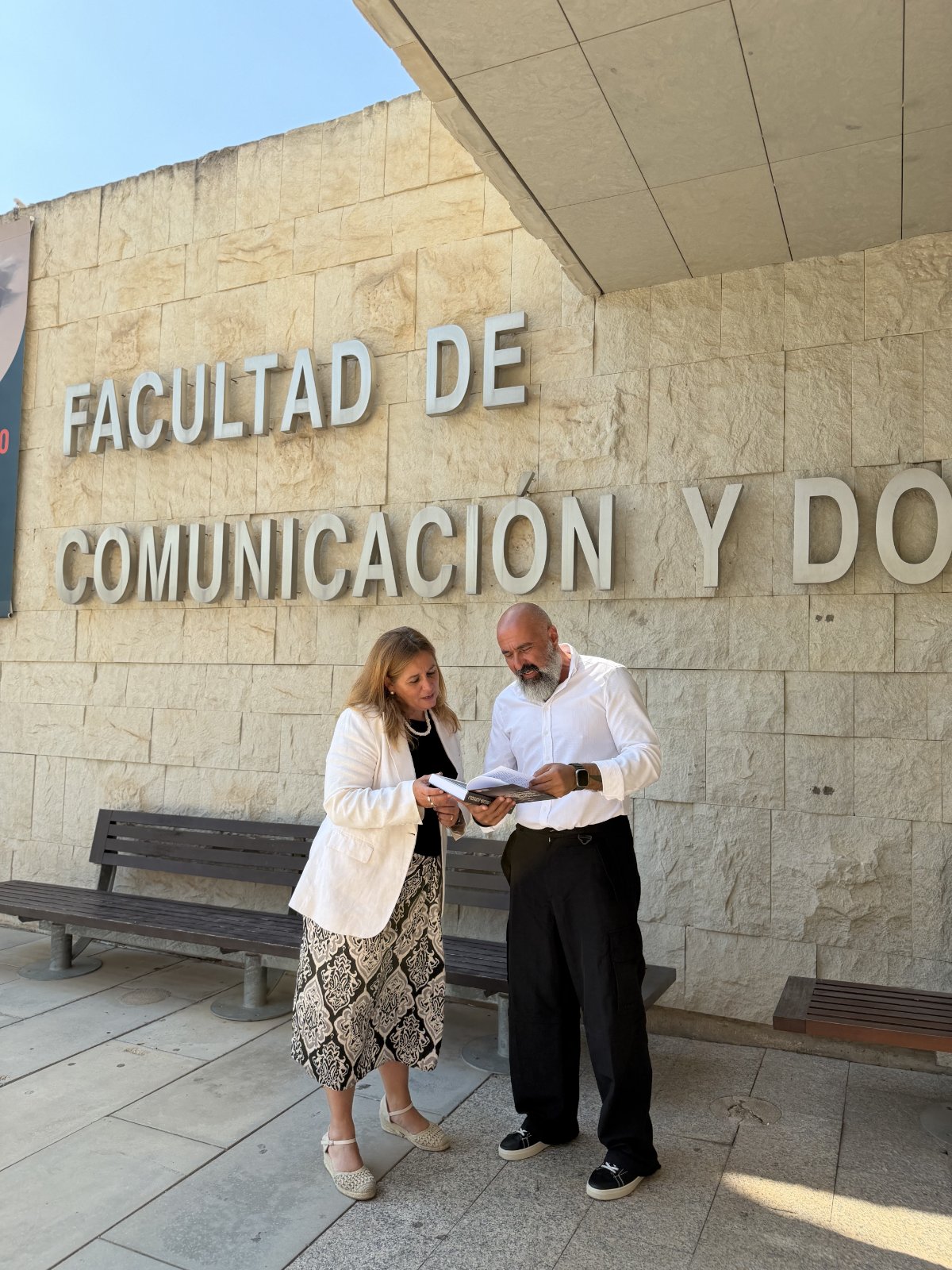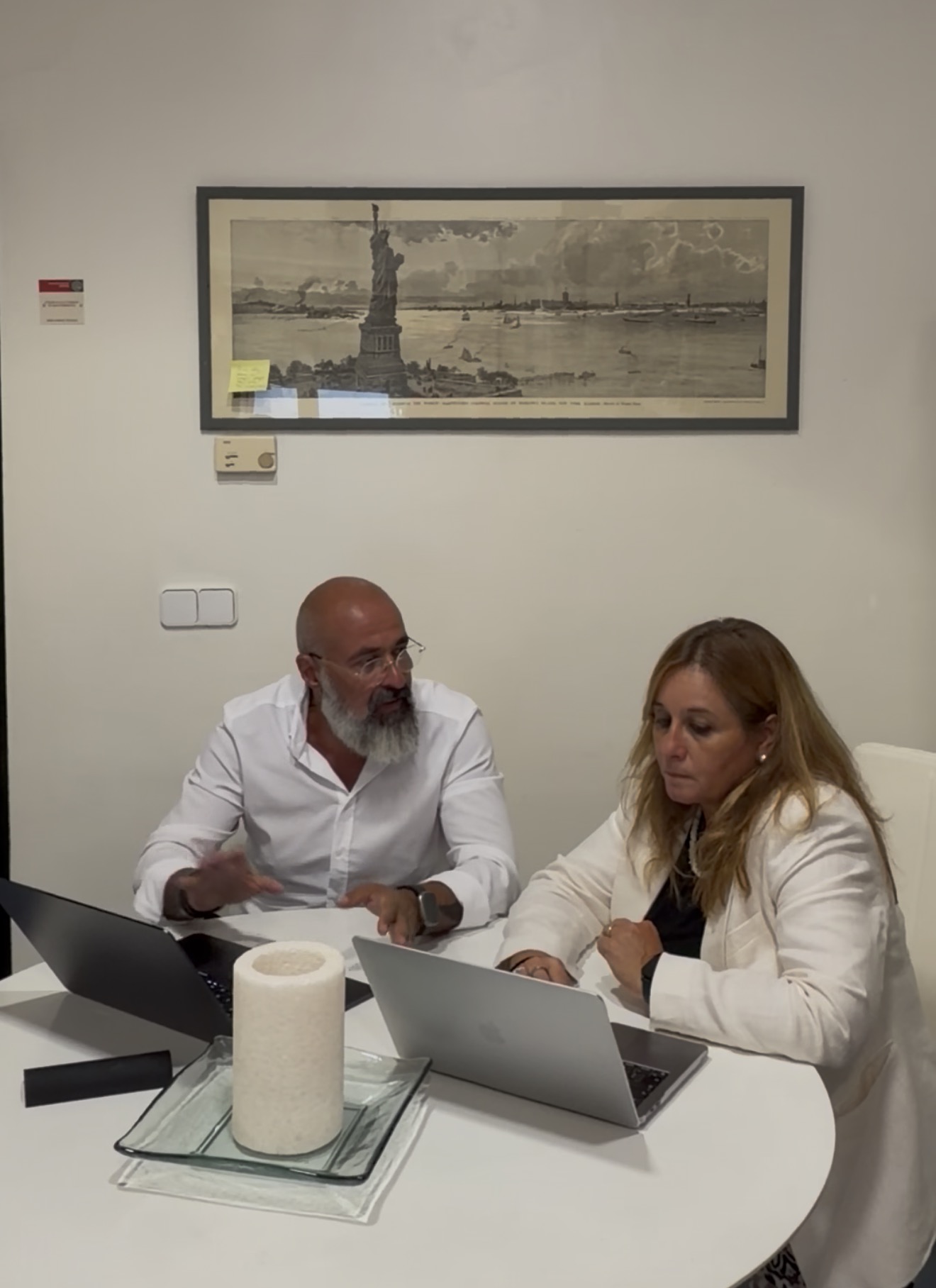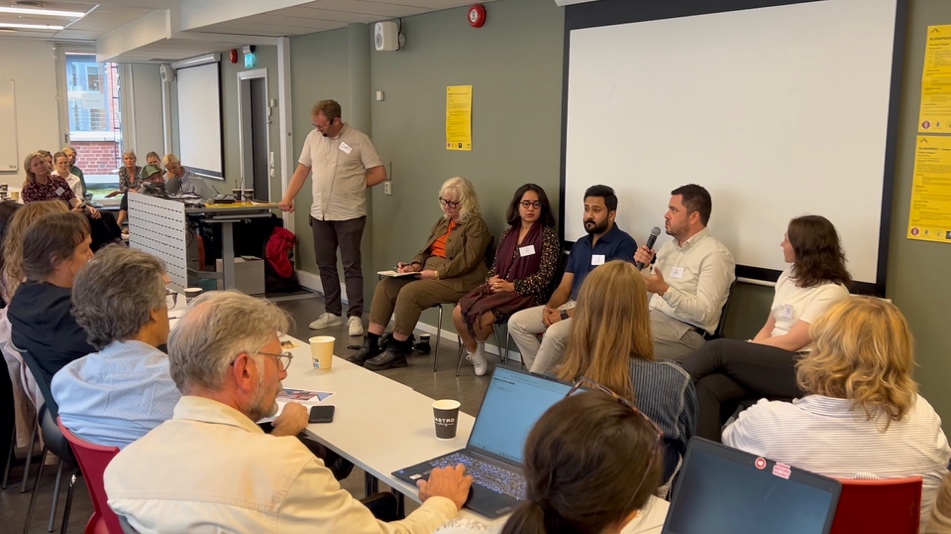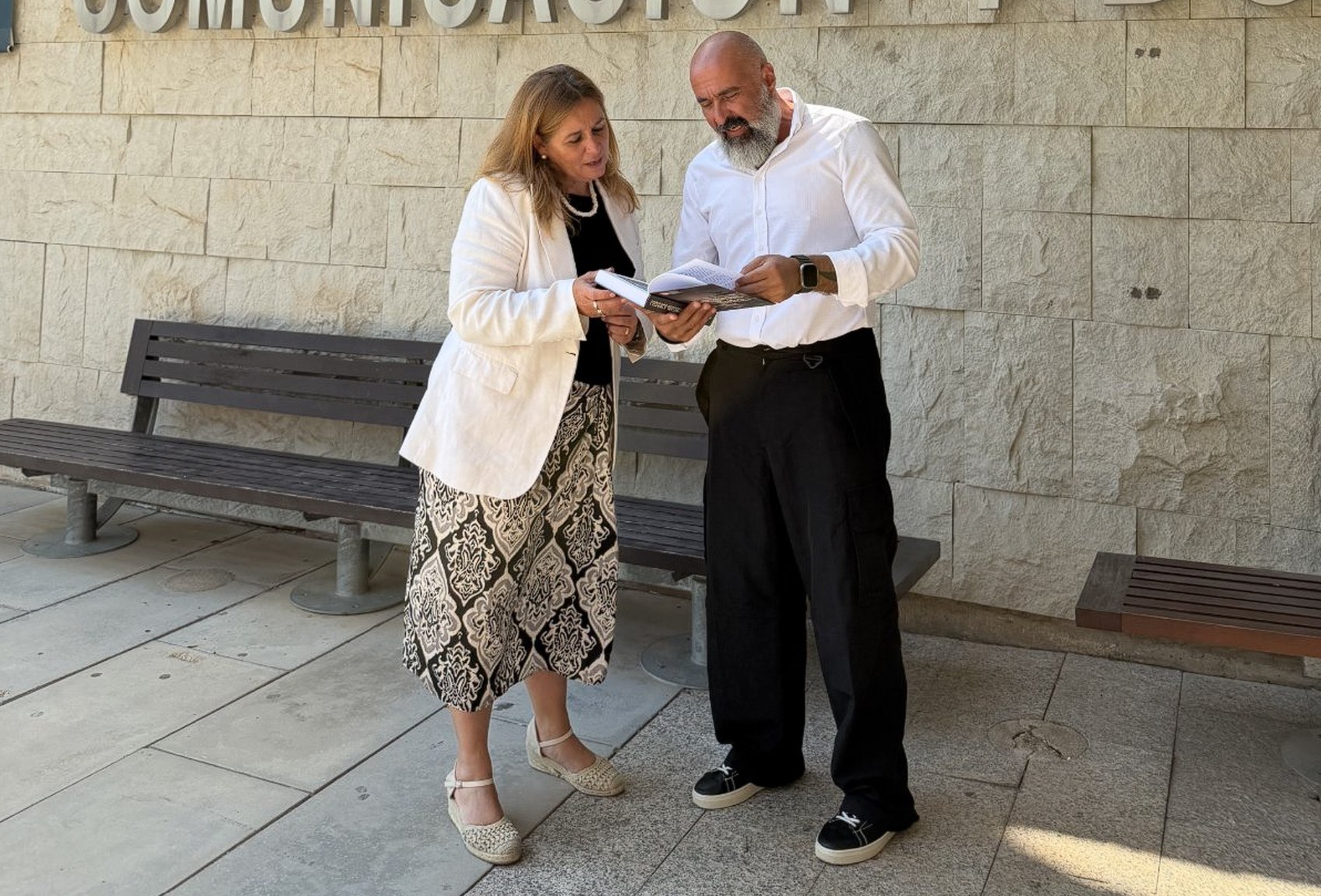
Prof. Zaza Tsotniashvili (Caucasus International University, Tbilisi), hosted by Prof. Rocío Zamora-Medina (University of Murcia). A Short-Term Scientific Mission under COST Action CA22165 (DepolarisingEU), 15–30 September 2026.
A shift in kind, not just in degree
For most of the social-media era, disinformation was constrained by labour: someone had to write the false story, stage the misleading image, or build the network that spread it. Generative artificial intelligence has removed much of that constraint. The cost of producing convincing synthetic text, images, audio and video has fallen close to zero, while platform recommender systems supply the infrastructure through which such material is replicated, recirculated and made visible. The result is not simply more false content; it is a change in kind — the emergence of what we call a synthetic political information environment, in which not only messages but sources, publics and even individual citizens can be fabricated.
During a Short-Term Scientific Mission hosted at the University of Murcia by Prof. Rocío Zamora-Medina, I set out to study that shift comparatively, under COST Action CA22165 (DepolarisingEU). This post shares what we asked, what we found in the public record, and where the collaboration now goes.
Why compare the South Caucasus and Southern Europe?
Our project asks a single question with wide consequences: how does generative AI, operating through algorithmic gatekeeping and amplification, shape disinformation and political polarisation? To answer it, we placed two contrasting European regions side by side — the South Caucasus (Georgia, Armenia and Azerbaijan) and Southern Europe (Spain, Italy and Portugal). These are structurally very different: smaller-language, highly connected markets with limited fact-checking capacity on one side; larger-language, mature EU media systems with denser verification and regulatory infrastructure on the other.
Our guiding idea is “different media systems, convergent technological mechanisms.” If the same mechanisms surface in such different settings, then responses framed only around national context will miss the shared technological layer. Throughout, our lens is strictly technological and media-structural: we study how tools and platforms behave, we treat attribution as evidence-based, and we take no position on any government or political side.
Three recurring mechanisms
Working only from publicly documented, fact-checker-verified cases — from organisations such as Maldita.es, Pagella Politica and Facta, Polígrafo and IBERIFIER, Myth Detector, CivilNet, and official media authorities — we found the same three mechanisms recurring across both regions.
1. Synthetic authority. AI-generated presenters, pseudo-media channels and fabricated “experts” that perform journalistic or expert credibility. In Spain, fact-checkers documented networks of dozens of YouTube channels disseminating fabricated political events with generative images and synthetic voices, reaching tens of millions of views, and channels publishing hundreds of AI-generated videos impersonating a well-known analyst. In Italy, AI-manipulated images of real public figures entered political debate, prompting a legislative response. In the South Caucasus, fact-checkers documented an “independent” commentator persona built on an AI-generated profile photo, synthetic audio falsely attributed to a public figure, and official warnings about deepfake videos attributed to senior officials.
2. Synthetic social proof. Here AI does not fabricate what someone says, but the public itself — AI-generated crowds, fictitious interviews, apparent voters and coordinated networks of accounts with AI-generated profile photos, all manufacturing the appearance of grassroots support. The Spanish material is especially rich, including investigations into hundreds of accounts publishing thousands of AI-generated protest videos with tens of millions of views, some driven by a purely commercial logic — using emotionally charged synthetic content to grow accounts and monetise attention. In Georgia, fact-checkers identified coordinated networks whose common feature was AI-generated profile photos, and numerous synthetic videos circulated as authentic footage.
3. Synthetic identity testimony. Fabricated ordinary citizens voicing attitudes or voting intentions — the mechanism most closely tied to affective and identity-based polarisation. Documented Southern-European cases use synthetic “street interviews” and identity-linked testimony, often around migration, sometimes circulating even after carrying a platform AI label. Its direct regional analogue appears in Armenia, where fact-checkers documented an AI-generated “street interview” expressing a voting intention.
What differs: drivers, formats, responses
The mechanisms converge; the drivers do not. The Southern-European corpus is denser, more electoral and increasingly commercial, with a strong migration-and-identity strand and an emerging legal and soft-law response — Italy’s new criminal provision on unlawful dissemination of manipulated content, cross-party anti-deepfake pacts, and reliance on EU instruments. The South Caucasus corpus is shaped by smaller-language, high-connectivity markets with cross-lingual circulation, thinner verification capacity, and official-authority denials as a common response mode. In both regions, a recurring finding stands out: AI-labelled content still circulates as authentic — which tells us that labelling is necessary but not sufficient.
How we worked
Methodologically, we used a most-different-systems design with a single seven-dimension coding scheme, combining framing analysis, critical discourse analysis and computational content analysis. On the hardest question — whether a given item is AI-generated — we were deliberately cautious, marking content “uncertain” wherever provenance could not be responsibly established. The mission was productive because of complementary expertise: Prof. Zamora-Medina’s work on visual and affective polarisation anchors the Southern-European material, while my own work on AI-driven disinformation and computational media analysis anchors the technological side.
Outputs, openly shared
During the two weeks we built a shared research workspace, a verified bibliography, the analytical framework, the methodology and coding scheme, and an advanced draft of a co-authored article spanning six countries. We are releasing a reusable codebook to the DepolarisingEU repository, so other researchers can apply the same instrument to new cases.
We also chose to disseminate openly — as a trilingual audio podcast in English, Spanish and Georgian, so colleagues at Murcia, at Caucasus International University, and across the COST network can engage in their own language. Open, asynchronous, multilingual resources reach a far wider community than a single event and remain available long after the mission ends — very much in the spirit of DepolarisingEU.
What comes next
Perhaps the most valuable outcome is the future it opens. We are working toward a Memorandum of Understanding between the University of Murcia and Caucasus International University, which would open the way to student and staff exchange, joint supervision, and future European research proposals, including within Horizon Europe. A co-authored article is planned for submission in November 2026. A two-week visit is becoming a lasting bridge between Southern Europe and the South Caucasus.
My sincere thanks to COST for funding this mission, to the University of Murcia and Prof. Zamora-Medina and her colleagues for a warm and collegial welcome, and to Caucasus International University for its support. This is exactly what European research cooperation is meant to do — connect researchers across the continent to work together on the problems we all share.