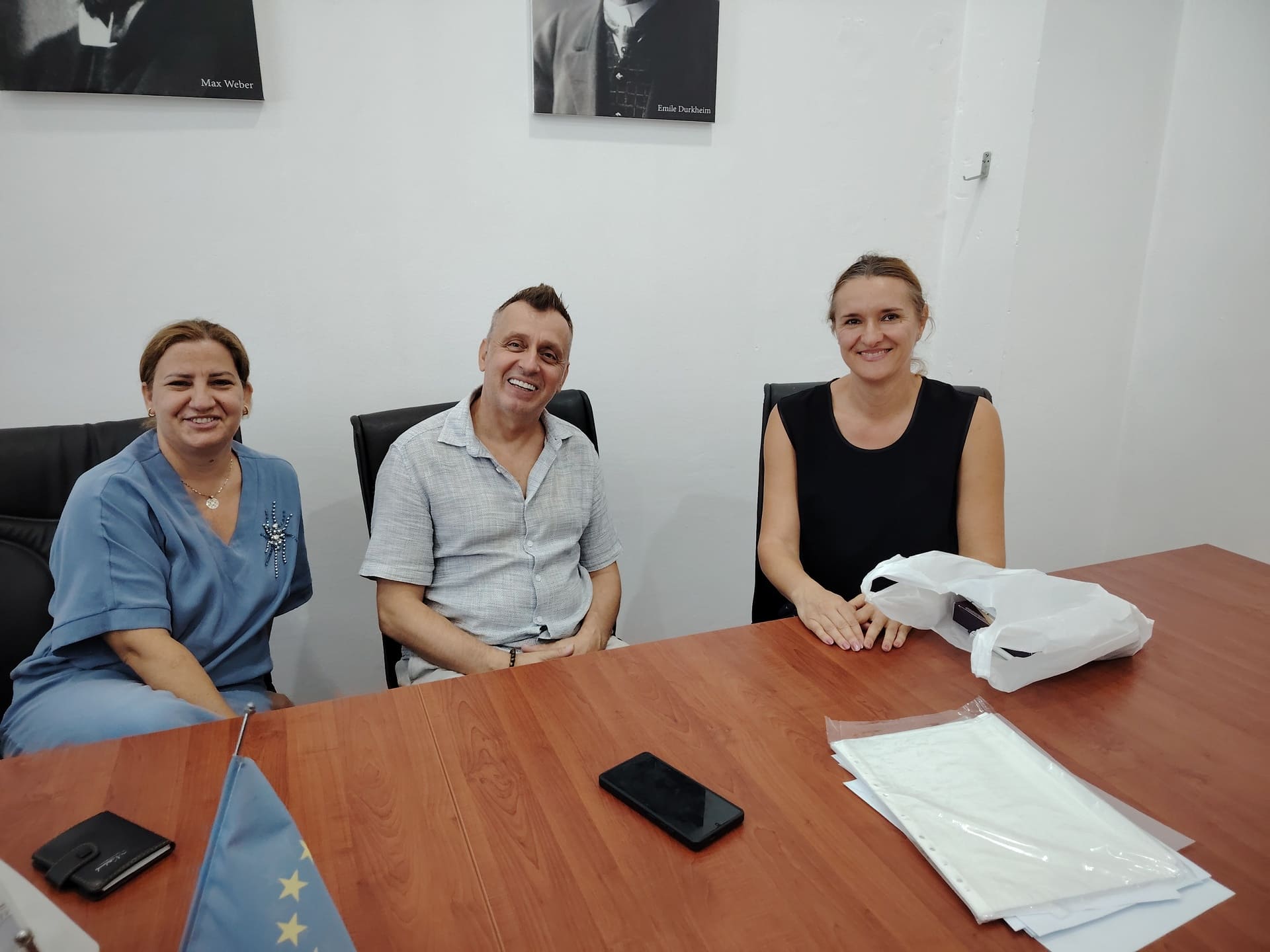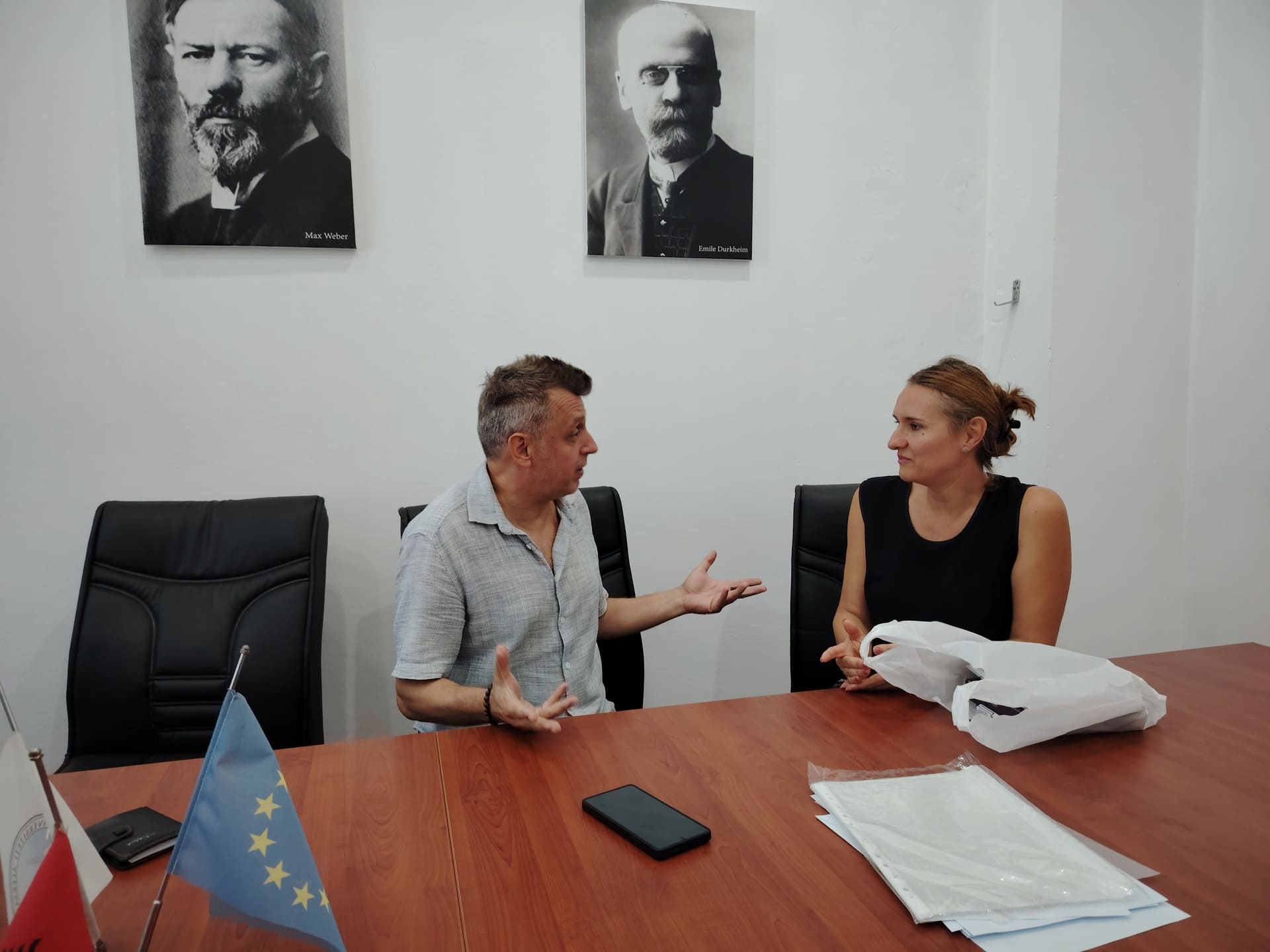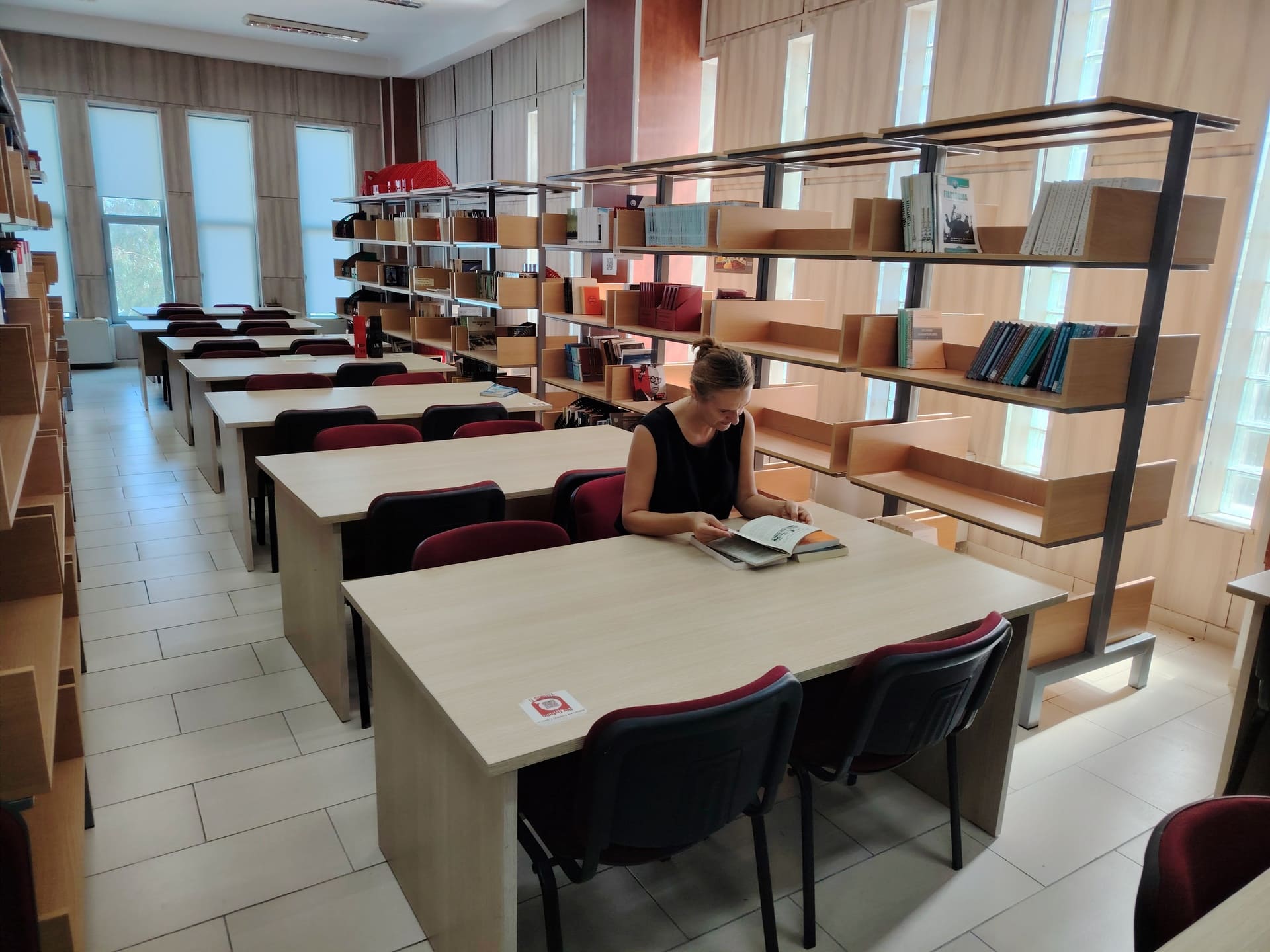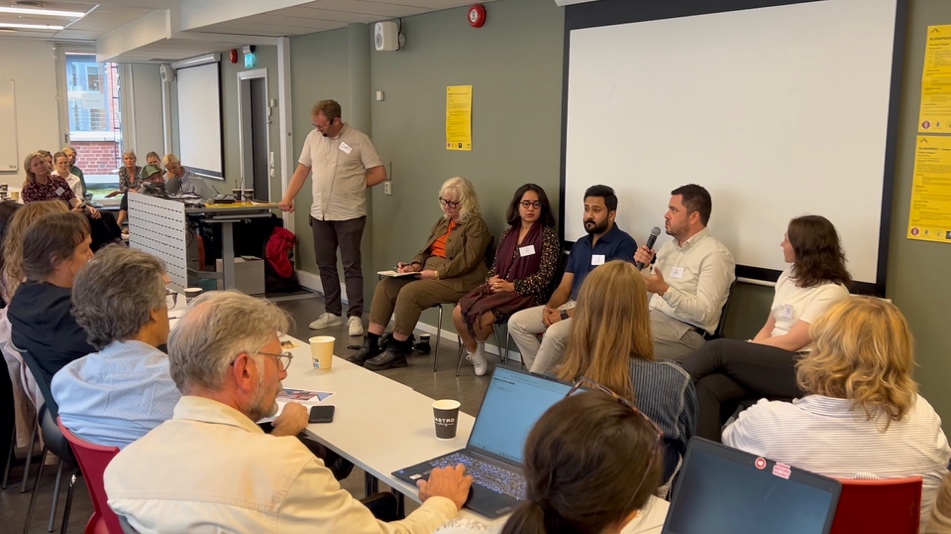
I just got back from five intense, productive days in Durrës, where I carried out a Short-Term Scientific Mission at Aleksandër Moisiu University under COST Action CA22165 DepolarisingEU. My host was Professor Roland Lami. Together, we wanted to figure out how digital media can bring publics together instead of tearing them apart during civic crises.
We started with two very different but surprisingly comparable cases connected by one investor: Serbia’s #Generaštab protest movement and Albania’s ongoing Flamingo Revolution, both opposing Jared Kushner’s development projects. Since the two movements happened on different timelines, we settled on an event-centered comparison. We looked at equivalent phases like the trigger, the first weeks of mobilization, and when demands expanded rather than fixed calendar dates.
The next few days went into building a shared coding framework and testing it with pilot coding. One of the more revealing moments came straight from the data itself. We had planned a broader, multi-platform dataset but an early test showed that hashtag searches for #Generaštab on X/Twitter returned surprisingly little. TikTok offered far richer material including captions, comments, and everything. So we shifted our plan. TikTok became the primary source for analysis using AntConc to work through sample texts. And since the Albanian movement is still unfolding, we agreed to archive everything now before content gets deleted or altered.
By week’s end, we had a pilot-coded scheme that works across both national contexts, a joint archival strategy for the Albanian case, and a full research protocol covering sampling, ethics, and next steps. We also mapped out a concrete plan for a co-authored article. Good news. The abstract has already been accepted for the special issue on populist rhetoric in Media and Communication, and the editors kindly extended the submission deadline so we could make the most of our time in Durrës.
Besides the working sessions with Roland, I also met with Dorina Xheraj-Subashi, a fellow researcher at Aleksandër Moisiu University, and Prof. As. Dr. Juljana Laze, Head of the Department of Sociology. We talked more broadly about future scientific and cultural collaborations between our institutions. I am hopeful those conversations will turn into something concrete in the coming months.
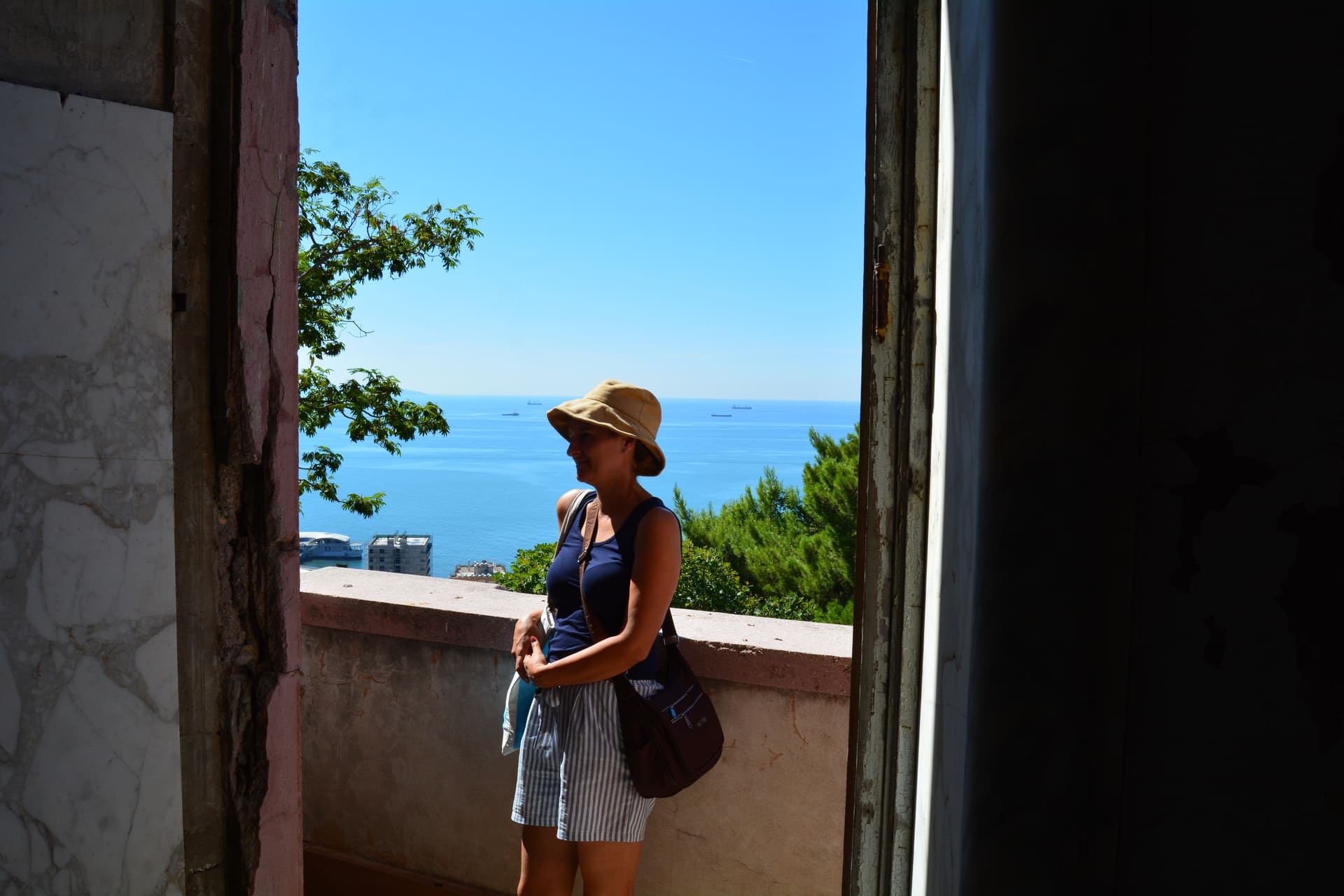
Although this is not for the first time, Durrës itself made an impression on me. It is a layered city. Illyrian, Roman, Ottoman, modern. Walking through it between work sessions felt like its own kind of research into how past and present sit side by side in the Western Balkans. The place that stuck with me most was King Zog’s Villa on the hill above coast. A bit worn by time but still commanding. That kind of quiet grandeur tells you more about a country’s twentieth century than most textbooks do.
I left Durrës with a full notebook, a working paper outline, a piloted coding scheme, and a collaboration I expect to keep building for a long time. Looking forward to sharing our findings with the DepolarisingEU community soon.